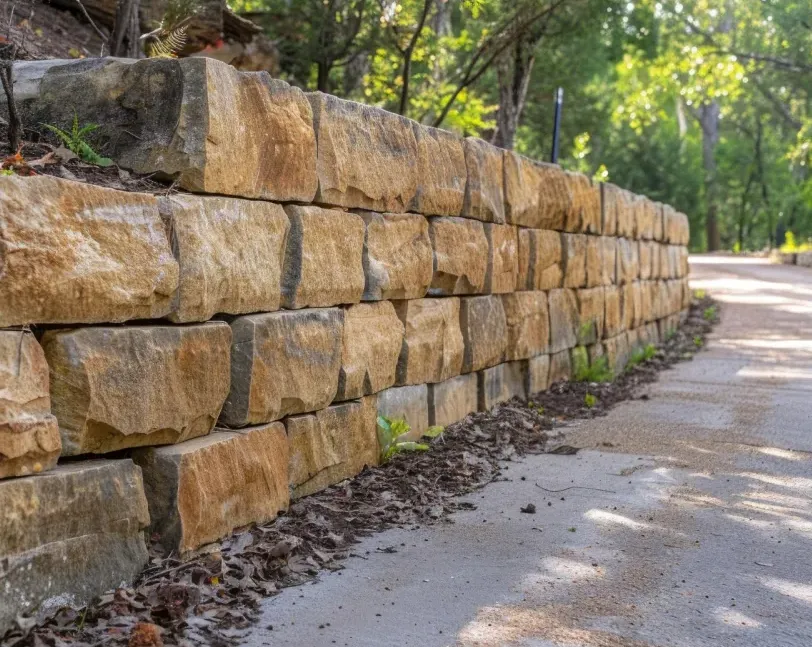
Choosing the Best Retaining Wall Contractor near Alameda County, California
1) Retaining Wall Contractor in Alameda County: Start Here
If you’re staring at a sloped yard, sinking patio, or a wall that’s starting to lean, you’re not alone. Many homeowners in Alameda County deal with steep grades, shifting soil, and mixed drainage. It’s stressful. You worry about erosion, water flooding your yard, or a wall failing right when guests arrive for a weekend BBQ. We understand that fear. At Porter Construction, based in Martinez, CA and serving most of Alameda, Contra Costa, Sacramento, San Francisco, San Joaquin, San Mateo, Solano, and Marin County, we help families turn risky hillsides into strong, beautiful spaces. We’re not a giant firm. We’re a local crew that listens, measures twice, and builds once. This guide shows you how to choose the right retaining wall contractor in Alameda County and what to expect at every step.

2) Do You Really Need a Retaining Wall? Signs, Slopes, and Soil Problems
You may need a retaining wall if you see:
Soil washing onto walkways after storms
Standing water near foundations
Cracks or bulges in an old wall
Slopes too steep to use for play or gardening
Tree roots pushing out existing borders
Retaining walls solve two problems at once: they hold back soil safely and reshape your yard into usable terraces, paths, or flat patios. If you’re worried about long-term damage to your home or yard, a wall is often the smartest, safest fix.
3) Types of Retaining Walls for Bay Area Yards (Block, Concrete, Timber, Stone)
There isn’t one “best” wall for every yard. Each type fits a different need.
Segmental Block (CMU): Interlocking concrete blocks. Great for many heights, flexible curves, clean look, strong when built with proper base and drainage.
Cast-in-Place Concrete: Poured concrete on site. Very strong and sleek. Good for taller walls, tight spaces, and modern designs.
Timber: Pressure-treated lumber. Lower upfront cost and a warmer look, but not as long-lasting as masonry or concrete.
Natural Stone: Timeless, premium look. Works well for garden terraces and shorter walls. Needs a skilled installer to lock stones and manage drainage.
Boulder Walls: Large rocks set in place. Natural and rugged, great for rustic landscapes and drainage-friendly designs.
The right choice depends on height, soils, space, local code, and the style you want. We’ll help you weigh these wisely.
4) How Retaining Walls Work: Drainage, Footings, and Engineering Basics
A retaining wall is more than stacked blocks. It’s a mini-engineering system.
Base/Foundation: A compacted gravel base and level starting course keep the wall aligned and supported.
Drainage: Weep holes, drainage pipe, and free-draining gravel behind the wall reduce pressure from water. Water is the enemy of walls.
Reinforcement: Geogrid (a mesh embedded in compacted soil layers) helps taller segmental walls resist pressure. Concrete walls may use rebar and footings.
Backfill: We use well-graded gravel behind the wall, not heavy clay, so water can move away.
Done right, the wall drains, the soil stays put, and the structure lasts.
5) Permits and Local Codes in Alameda County: What Homeowners Should Know
Depending on the height and location, many walls require permits, inspections, and sometimes engineering letters. Setbacks, easements, and property lines matter. There are rules about wall height, safety rails, and building near public sidewalks or driveways. Skipping permits can lead to fines or forced tear-outs later. As your contractor, we’ll help you understand what applies to your project and coordinate with the appropriate departments.
6) Retaining Wall Cost in Alameda County: Price Ranges and What Drives Them
Costs vary by height, length, access, material, engineering needs, and drainage work. A small garden wall on a flat site is one level of investment. A tall, engineered wall on a steep hillside with tight access is another. Add-ons like stairs, lighting, fences, or railings also affect price. In simple terms, you pay for the structure you can’t see (base, drainage, grid, rebar) as much as the face you can see. That unseen part is what keeps your wall standing for years.
7) DIY vs. Professional Retaining Wall Contractor in Alameda County
DIY can work for short garden walls with simple soil and light loads. But once a wall gets taller, supports anything heavy, or sits in a tricky spot, you want a pro. A professional understands compaction, base prep, drainage, and engineering. That experience prevents the top three failure causes: poor base, bad drainage, and wrong backfill. If you’re unsure, bring us out for a site visit. We’ll be honest about what you can do yourself and where professional help is worth it.
8) How to Vet a Retaining Wall Contractor: Licenses, Insurance, and References
Choose a contractor like you’d choose a surgeon.
License and Insurance: Ask to see them. No license or insurance is a hard stop.
Specialization: Look for crews who regularly build retaining walls, not just “any” outdoor project.
Local Knowledge: Alameda County soils vary. A local team knows the codes, slopes, and drainage challenges here.
References and Photos: Review past work, ask for recent projects similar to yours, and check how those walls look today.
A good contractor welcomes your questions.
9) Reading Reviews the Smart Way: What Real Homeowners Say (and What to Ignore)
Reviews can be helpful if you read them with a clear eye. Look for patterns over time: communication, cleanliness, punctuality, and follow-through. One angry review doesn’t tell the whole story. Notice how the contractor responds. Are they respectful? Do they offer solutions? You want steady, consistent feedback, not just a perfect score.
10) Comparing Bids: Apples-to-Apples Scope, Materials, and Warranties
Bids should be detailed. Make sure each bid includes:
Excavation and disposal
Base thickness and material
Drainage pipe and fabric
Backfill type and quantity
Geogrid layers or rebar schedule (if needed)
Caps, finishes, and steps
Permits and inspection support
Warranty terms
If two bids have different assumptions, the cheaper one may be missing critical steps. Ask for clarification until each scope matches.
11) Engineering Support: When You Need a Structural Engineer for Your Wall
Walls over a certain height or walls supporting driveways, slopes, or structures usually need engineering. An engineer reviews soil conditions, loads, and wall design, then specifies grid lengths, rebar, and drainage. We coordinate this when your project needs it. Engineering isn’t a “nice to have.” It’s what makes a taller wall safe and code-compliant.
12) Drainage Done Right: French Drains, Weep Holes, and Backfill That Lasts
Most retaining wall failures trace back to trapped water. Here’s how we keep yours dry:
Perforated drain pipe at the base, wrapped in fabric, sloped to daylight or a sump.
Free-draining gravel behind the wall to let water move.
Weep holes or vent points in certain wall styles.
Geotextile fabric to keep fine soil from clogging the drain zone.
It’s not flashy, but it’s the difference between a wall that stands and a wall that leans.
13) Project Timeline: From Site Visit to Final Inspection
A typical project flows like this:
Discovery Call: You share goals, photos, and rough measurements.
Site Visit: We measure slopes, check utilities, and examine soils.
Design and Scope: We confirm materials, heights, and drainage plan.
Permit/Engineering: If required, we handle submittals and coordination.
Mobilization: Mark utilities, protect existing features, stage materials.
Excavation and Base: Dig to plan, compact base, set first course true.
Build and Backfill: Course by course, with grid and drainage installed on schedule.
Finish Work: Caps, steps, rail posts (if needed), clean up.
Walkthrough: We review the work with you and share care tips.
Inspection: If your city requires it, we’re there to support.
14) Red Flags to Avoid: Shortcuts, Change-Order Games, and Bad Details
Watch for:
Vague bids without base and drainage details
No permits when your wall clearly needs them
Poor communication or pressure to “do it today”
No references or only old references
No discussion of soils or utilities
Good contractors plan for surprises and explain your options, not hide them.
15) Sustainability and Style: Choosing Materials That Fit Your Home and Climate
You can build strong and look good doing it. Consider:
Permeable surfaces above or below the wall to reduce runoff
Native plants to stabilize soil and soften the wall line
Low-VOC sealers on concrete
Recycled-content blocks where available
Color and texture that match your home and neighborhood
A wall should blend with your landscape, not fight it.
16) Maintenance Made Simple: How to Keep Your Retaining Wall Strong for Years
Retaining walls don’t need daily care, but small habits help:
Keep drains and outlets clear of leaves and mulch
Redirect downspouts away from the wall
Watch for new bulges or cracks after big storms
Avoid heavy planters or parked vehicles near the top unless designed for that load
Refresh joint sand or inspect caps every few years as needed
If something looks off, call us. Catching a small issue early is cheaper than repairs later.
17) Why Porter Construction? A Local Approach to Custom Retaining Walls
We build walls the way we’d build them at our own homes: careful layout, clean foundations, correct drainage, and honest communication. From Martinez we serve Alameda, Contra Costa, Sacramento, San Francisco, San Joaquin, San Mateo, Solano, and Marin County. We tailor every project to the home, the soil, and the family using the space. We’ll never push a material you don’t need or a style that doesn’t fit. Our goal is simple: a wall that looks right, drains right, and lasts.
18) Next Steps: Free Site Assessment and a Clear Plan Forward
Ready to move ahead with a Retaining Wall Contractor in Alameda County who puts safety, drainage, and design first? Here’s how to start:
Share Photos and Goals: Send us a few angles and a brief note about your problem.
On-Site Evaluation: We’ll assess slope, soil, and access, then talk through options.
Clear Proposal: You’ll get an apples-to-apples scope with materials, drainage, and timeline spelled out.
Build with Confidence: We handle the permits and keep you updated until the last cap is set.
A Quick Word on Peace of Mind
We know a retaining wall is more than a yard project. It protects your home, your family, and your investment. When you pick the right contractor, you remove the stress, stop the erosion, and turn a problem slope into a space you enjoy. That’s what we do every day, and we’d be honored to help you do the same.
